Ultimate Guide To Window Replacement: Tips And Benefits
Replacing your windows can be a substantial investment, but it is one that can greatly improve the appearance, energy efficiency, and functionality of your home. Old or damaged windows can lead to drafts, higher energy bills, and decreased curb appeal. By upgrading to newer, more energy-efficient windows, you can not only enhance the aesthetics of your home but also save money in the long run.
With so many options available on the market today, from materials like vinyl and wood to styles such as double-hung and casement, it is important to do your research and find the best windows for your specific needs and budget. In this article, we will discuss the benefits of window replacement, the different types of windows available, and how to choose the right windows for your home.
Benefits of Window Replacement
Upgrading to newer, energy-efficient windows can offer a multitude of benefits for homeowners. Improved insulation provided by these windows can help regulate indoor temperatures, reducing the need for heating and cooling systems. This, in turn, can lead to lower energy bills and increased savings over time. Additionally, modern windows are easier to clean and maintain, saving time and effort for homeowners. By investing in window replacement, you not only enhance the comfort and aesthetics of your home but also increase its overall value source.
Choosing the Right Windows for Your Home
When considering new windows for your home, it is essential to take into account factors such as your budget, climate, and aesthetic preferences. Different types of windows offer varying levels of energy efficiency, durability, and style options. Researching the available options and consulting with professionals can help you make an informed decision that aligns with your needs and budget. Whether you opt for vinyl windows for affordability or wood windows for a classic look, selecting the right windows can significantly improve the comfort and functionality of your home. With careful planning and consideration, window replacement can be a worthwhile investment in enhancing your living space.
In conclusion, window replacement is a valuable investment that can improve the energy efficiency, functionality, and aesthetics of your home. By upgrading to newer, energy-efficient windows, homeowners can enjoy lower energy bills, increased comfort, and a boost in property value. With a wide range of options available on the market, it is important to research and choose the right windows that best suit your needs and budget. Whether you prioritize affordability, durability, or style, investing in new windows can enhance the overall quality of your living space for years to come. Make sure to consult with professionals and carefully consider all factors before making a decision on window replacement.
Related Post
The Ultimate Guide To Online Gaming: Tips, Strategies, And Fun!The Ultimate Guide To Online Gaming: Tips, Strategies, And Fun!
Online gaming has skyrocketed in popularity in recent years, with millions of players from all over the world logging on to platforms such as PC, mobile devices, and gaming consoles to compete and connect with each other. This virtual form of entertainment has revolutionized the gaming industry, providing gamers with unique experiences, opportunities for social interaction, and access to an ever-expanding selection of games. Whether it’s battling foes in action-packed shooter games, exploring vast virtual worlds in role-playing games, or strategizing with teammates in online sports competitions, there is something for every type of player in the extensive realm of online gaming.
The rise of online gaming can be attributed to numerous factors, including advancements in technology that have made high-quality graphics and immersive gameplay more accessible to a wider audience. Additionally, the proliferation of high-speed internet and the advent of mobile gaming have further fueled the growth of this phenomenon. Online gaming allows players to engage in thrilling experiences that go beyond traditional single-player campaigns, as they can now collaborate or compete against others in real-time, regardless of their physical location.
The Benefits of Online Gaming
One of the key benefits of online gaming is the unique experiences it offers to players. Unlike traditional single-player games, online gaming allows players to interact with others in real-time, creating a dynamic and ever-changing environment. This social aspect of online gaming can be particularly appealing for individuals who may feel isolated or have difficulty connecting with others in their everyday lives. Through online gaming platforms, players can form communities, join clans or guilds, and participate in cooperative or competitive gameplay, fostering a sense of camaraderie and friendship.
Furthermore, online gaming provides players with access to an extensive selection of games and genres. Whether someone is a fan of first-person shooters, strategy games, or immersive role-playing worlds, there is a game out there to suit their preferences. The variety of games available in the online gaming realm ensures that players never run out of new challenges and experiences to explore. Delve into the exciting universe of online gaming with the ultimate guide, brimming with invaluable tips, strategies, and a myriad of fun experiences; read more to uncover the secrets that will enhance your gaming journey.
Advancements in Technology
The rise of online gaming can largely be attributed to significant advancements in technology. In recent years, there have been remarkable developments in graphics, processing power, and internet connectivity, which have allowed for more immersive and seamless gameplay experiences. High-quality graphics and realistic animations enhance the visual appeal of games, providing players with stunning virtual worlds to explore. Moreover, the increasing availability of high-speed internet has made it possible for gamers to connect with one another from around the globe without experiencing lag or connectivity issues.
In addition to traditional gaming platforms like PCs and consoles, mobile devices have had a significant impact on the growth of online gaming. The convenience and portability offered by smartphones and tablets have made gaming more accessible than ever before. Mobile gaming has opened up opportunities for casual gamers to engage in quick sessions on the go, as well as for seasoned gamers to have access to their favorite games anytime, anywhere.
Overall, online gaming has transformed the gaming industry by providing gamers with unique experiences, opportunities for social interaction, and access to a wide variety of games. The advancements in technology, including high-quality graphics and internet connectivity, have made these immersive experiences more accessible to a wider audience. Online gaming allows players to engage with others in real-time, fostering a sense of camaraderie and friendship. Additionally, the extensive selection of games and genres ensures that players never run out of new challenges to explore. Whether it’s on PCs, consoles, or mobile devices, online gaming has revolutionized how people connect and enjoy virtual entertainment.

Ultimate Garage Door Repair Tips: Fixing Common IssuesUltimate Garage Door Repair Tips: Fixing Common Issues
Garage doors are an essential part of a home, providing security and convenience for homeowners. However, like any other mechanical system, garage doors can experience wear and tear over time. When your garage door stops working properly, it can not only be frustrating but also pose a safety risk for your home and family.
Whether your garage door is making strange noises, not opening or closing properly, or has suffered damage from an accident, it’s important to address the issue promptly. In this article, we will discuss common garage door problems and how to troubleshoot them, as well as when it’s time to call in a professional for garage door repair services.
Common Garage Door Problems
One of the most common issues homeowners face with their garage doors is a malfunctioning opener. This can be due to a variety of reasons, such as a faulty motor, sensor misalignment, or worn-out gears. Another frequent problem is the garage door getting stuck in a half-open position, which may be caused by an obstruction in the track or a broken spring. In some cases, the garage door may be making loud grinding or squeaking noises, indicating that the rollers or hinges need lubrication or replacement. Common Garage Door Problems often require professional attention, such as garage door cable repair, to ensure smooth operation and safety.
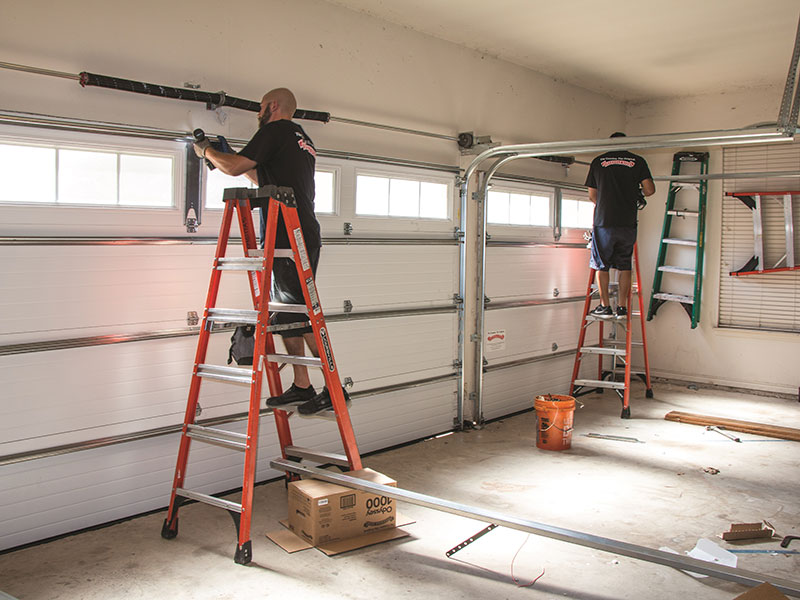
When to Seek Professional Help
If you have tried troubleshooting your garage door problems without success, it may be time to call in a professional for garage door cable repair. Repairing or replacing cables can be dangerous and should only be done by trained technicians to prevent injury or further damage to the door. Additionally, if your garage door has suffered significant damage from an accident or natural disaster, it’s crucial to seek professional assistance to ensure proper repairs and maintenance for the safety of your home and family.
In conclusion, addressing garage door problems promptly and efficiently is crucial to maintaining the safety and security of your home. It’s important to be aware of common garage door issues, such as malfunctioning openers or stuck doors, and to seek professional help when needed. Attempting to repair complex issues yourself can be dangerous and may result in further damage. By trusting trained technicians to handle your garage door repairs, you can ensure that your garage door functions properly and safely for years to come. Stay proactive in addressing any garage door concerns to prevent accidents and keep your home secure.
5 Essential Plumbing Tips For Homeowners | Expert Advice5 Essential Plumbing Tips For Homeowners | Expert Advice
Plumbing is an essential aspect of any building, whether it be residential or commercial. From ensuring clean water supply to disposing of waste water efficiently, a properly designed and maintained plumbing system is crucial for the health and safety of its occupants. As such, understanding the basics of plumbing and common plumbing issues can help property owners identify problems early on and prevent costly repairs in the future.
In this article, we will explore various aspects of plumbing, including the different types of plumbing systems, common plumbing problems, and tips for maintaining your plumbing system. Whether you are a homeowner looking to troubleshoot minor plumbing issues or a business owner in need of professional plumbing services, this article will provide you with valuable information to help you make informed decisions about your plumbing needs.
Types of Plumbing Systems
There are several types of plumbing systems used in residential and commercial buildings, including potable water, sanitary drainage, stormwater drainage, and gas supply systems. Each system serves a specific purpose, such as providing clean water for drinking, bathing, and cooking, as well as removing wastewater and protecting the building from flooding. To ensure that these systems function efficiently, it is essential to hire professional plumbers like plumbing near me who have the expertise to install, repair, and maintain them.
Common Plumbing Problems
Some of the most common plumbing issues faced by property owners include leaky faucets, clogged drains, running toilets, low water pressure, and water heater malfunctions. These problems can disrupt daily activities and cause damage to the property if not addressed promptly. Property owners should regularly inspect their plumbing systems for signs of leaks or other issues and contact a reputable plumbing near me company for professional assistance to prevent further damage and costly repairs.
Oh No Plumbing & Air Conditioning
3450 S 36th St, Phoenix, AZ, 85040
(602) 559-9055
In conclusion, maintaining a well-functioning plumbing system is essential for the overall health and safety of a building’s occupants. Understanding the different types of plumbing systems, common plumbing problems, and the importance of regular maintenance can help property owners address issues early on and prevent costly repairs. By hiring professional plumbers who have the expertise to install, repair, and maintain plumbing systems, property owners can ensure that their buildings are equipped with reliable and efficient plumbing infrastructure. Remember, proactive maintenance is key to avoiding major plumbing issues and ensuring a comfortable and safe environment for everyone in the building.