Expert Tips For Flawless Floor Tile Installation
Installing floor tiles is a great way to add beauty and durability to any room in your home. Whether you are updating your bathroom, kitchen, or entryway, floor tiles can enhance the overall aesthetic and increase the value of your property. With proper installation, floor tiles can last for many years and provide a low-maintenance flooring option that is resistant to water, stains, and wear.
However, installing floor tiles can be a challenging and time-consuming project, especially for those who are not experienced in home improvement. It is crucial to follow the correct steps and use the right tools to ensure a successful installation. In this article, we will provide a comprehensive guide on how to properly install floor tiles in your home, covering everything from preparing the subfloor to grouting and sealing the tiles.
Preparing the Subfloor
Before beginning the tile installation process, it is essential to prepare the subfloor properly. This involves ensuring that the surface is clean, smooth, and free from any debris. Additionally, it is crucial to check for any imperfections or uneven areas that may need to be addressed before laying the tiles. By taking the time to thoroughly prepare the subfloor, you can help ensure a successful and long-lasting tile installation. For professional assistance in floor tile installation, consider reaching out to floor tile installation Hyannis experts.
Laying the Tiles
Once the subfloor is ready, it’s time to start laying the tiles. Begin by marking out a grid pattern on the floor to serve as a guide for laying the tiles. Apply a thin layer of mortar or adhesive to the subfloor using a trowel, and then press each tile into place, ensuring they are properly aligned and spaced. Use tile spacers to maintain consistent gaps between the tiles. Continue this process until all the tiles are laid out. For a professional finish and expert guidance, consider contacting floor tile installation Hyannis specialists who can provide quality service and ensure a flawless result.
Silvestre Tile Inc.
6 Pine Valley Rd, Hyannis, MA, 02601
(508) 593-1937
Grouting and Sealing
After the tiles have been laid out and set in place, it is time to grout the joints between them. Mix the grout according to the manufacturer’s instructions and apply it with a grout float, pressing it into the gaps between the tiles. Once the grout has begun to set, use a damp sponge to clean off any excess grout from the tile surface. Allow the grout to dry completely before applying a sealer to protect the tiles from stains and moisture. By properly grouting and sealing the tiles, you can ensure that your floor remains beautiful and well-maintained for years to come. For professional assistance and expert advice on grouting and sealing floor tiles, consider reaching out to floor tile installation specialists in Hyannis who can provide quality service and guidance throughout the process.
Related Post

Ultimate Mexican Restaurant Guide In MiamiUltimate Mexican Restaurant Guide In Miami
If you’re craving delicious Mexican cuisine in the vibrant city of Miami, look no further than the many authentic Mexican restaurants scattered throughout the area. From traditional dishes like tacos and enchiladas to modern twists on classics, there is something for every palate at these establishments. Whether you’re in the mood for a leisurely dinner with friends or a quick lunch on-the-go, these Mexican restaurants in Miami offer a diverse range of dining options to satisfy your cravings.
Step into one of these restaurants and experience the flavors of Mexico right here in Miami. With fresh ingredients, bold spices, and expertly crafted dishes, you’ll find yourself transported to the streets of Mexico City with every bite. So gather your friends and family, and head to one of these Mexican restaurants in Miami for an unforgettable culinary experience that will have you coming back for more.
Discover Authentic Flavors
Step into one of these restaurants and experience the flavors of Mexico right here in Miami. With fresh ingredients, bold spices, and expertly crafted dishes, you’ll find yourself transported to the streets of Mexico City with every bite. So gather your friends and family, and head to Best Mexican Restaurant Miami Beach for an unforgettable culinary experience that will have you coming back for more. Whether you’re a fan of traditional tacos and guacamole or looking to try something new like ceviche or mole poblano, these Mexican restaurants in Miami have something to offer everyone.

Unforgettable Dining Experience
If you’re in the mood for a leisurely dinner with friends or a quick lunch on-the-go, these Mexican restaurants in Miami offer a diverse range of dining options to satisfy your cravings. From the cozy ambiance of family-owned establishments to the trendy vibes of modern eateries, there is a place for every taste and occasion. Indulge in authentic Mexican cuisine made with love and care by talented chefs who are dedicated to bringing the best of Mexico to your plate. Head to Best Mexican Restaurant Miami Beach today and treat yourself to an unforgettable dining experience that will leave you wanting more.
Lolo’s Surf Cantina
161 Ocean Dr
Miami Beach, FL 33139
+1 7862760535
No matter what you’re in the mood for, these Mexican restaurants in Miami have something to offer everyone. Whether you’re a fan of traditional tacos and guacamole or looking to try something new like ceviche or mole poblano, the diverse menu options will satisfy your cravings. So gather your friends and family, and head to the Best Mexican Restaurant in Miami Beach for an unforgettable culinary experience. Indulge in delicious dishes made with fresh ingredients, bold spices, and expert craftsmanship that will transport you to the streets of Mexico City with every bite. Treat yourself to an unforgettable dining experience and immerse yourself in the authentic flavors of Mexico right here in Miami.

Top Auto Glass Shop in Oakville- Easy Service!Top Auto Glass Shop in Oakville- Easy Service!
Are you in need of auto glass repair or replacement services in Oakville? Look no further than our auto glass shop, where we specialize in providing top-notch solutions for all your vehicle’s glass needs. Whether you have a cracked windshield, a broken side window, or a damaged rear window, our team of skilled technicians is here to help.
With years of experience serving customers in Oakville, we pride ourselves on delivering high-quality services at competitive prices. From fast and efficient windshield repairs to expert installation of new glass, you can trust us to get the job done right the first time. Visit our auto glass shop in Oakville today and let us help you get back on the road safely and securely.
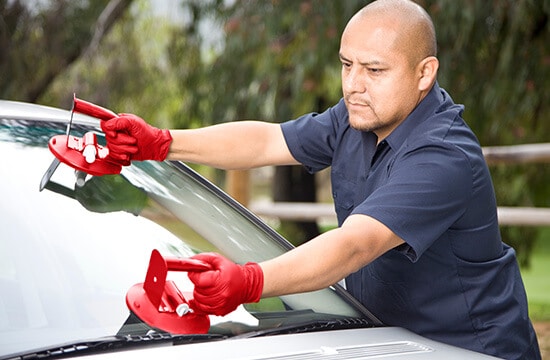
Expert Auto Glass Shop in Oakville
Looking for expert auto glass services in Oakville? Our auto glass shop is your go-to destination for all your vehicle’s glass needs. Whether you need a windshield repair or a complete replacement, our skilled technicians are here to provide top-notch solutions. With years of experience and a commitment to quality, you can trust us to deliver efficient and reliable services. Visit our shop today for auto glass repair done right the first time, getting you back on the road safely and securely.
With a reputation for excellence and customer satisfaction, our team takes pride in offering competitive prices without compromising on quality. Whether it’s a small chip in your windshield or a shattered side window, we have the expertise to handle all your auto glass needs. Trust us to provide expert installation of new glass that meets the highest standards of safety and durability. Stop by our auto glass shop in Oakville today and experience the difference our professional services can make for your vehicle.
Auto Glass Shop in Oakville
Speers Auto Glass
281 Speers Rd, Oakville, ON L6K 2G1, Canada
(905) 339-0339
When it comes to auto glass services in Oakville, our shop stands out for its commitment to excellence and customer satisfaction. We understand the importance of having a safe and secure vehicle, which is why we offer top-notch solutions for all your glass needs. Whether it’s a minor repair or a complete replacement, our skilled technicians are here to get the job done efficiently and reliably. With competitive prices and a focus on quality, you can trust us to provide expert installation of new glass that meets the highest safety standards. Visit our shop today and experience the difference our professional services can make for your vehicle.

How To Hire A Boat: Step-By-Step GuideHow To Hire A Boat: Step-By-Step Guide
Are you looking for a unique way to explore the open waters? Boat hire could be the perfect solution for your next adventure! Whether you’re planning a romantic sunset cruise, a family fishing trip, or just want to enjoy a day out on the water with friends, renting a boat offers a convenient and hassle-free way to experience the beauty of the sea.
With a wide range of options available, from small motorboats to luxurious yachts, you can easily find a vessel that suits your needs and budget. Whether you’re an experienced sailor or a newbie to boating, boat hire provides the opportunity to create unforgettable memories and discover new destinations from the comfort of your own private vessel.
Explore the Stunning Waters of Melbourne
Whether you’re a local or a visitor, private boat hire in Melbourne offers a fantastic way to explore the stunning waters surrounding this vibrant city. Picture yourself cruising along the iconic Yarra River, admiring the skyline and taking in the sights from a unique perspective. With so many hidden gems to discover along the coast, renting a boat gives you the freedom to set your own course and create an unforgettable experience for you and your loved ones. If you’re looking for a memorable adventure in Melbourne, consider private boat hire Melbourne as your ticket to a day of fun on the water.

Unforgettable Memories on Your Own Vessel
Imagine the thrill of captaining your own boat, with the wind in your hair and the sun on your face. Private boat hire allows you to chart your own course, whether you want to anchor at a secluded beach for a picnic or cruise around exploring hidden coves. With options ranging from sleek speedboats to spacious yachts, there’s a vessel to suit every taste and occasion. Set sail with friends or family, or enjoy a romantic sunset cruise with that special someone. Whatever your preference, private boat hire Melbourne opens up a world of possibilities for creating unforgettable memories on the water.
Boat 4 Hire
84 New Quay Promenade, Docklands 3008
0423 593 810
Private boat hire offers a unique and customizable experience for exploring the open waters, allowing you to create unforgettable memories on your own vessel. Whether you’re looking for a relaxing day out with friends or a romantic sunset cruise, renting a boat provides the freedom to set your own course and discover new destinations. With a range of options available, from motorboats to luxurious yachts, there’s a vessel to suit every occasion and budget. So why not embark on an adventure and experience the beauty of the sea firsthand with private boat hire? Get ready to sail away and create lasting memories on the water.