Enhancing Safety Measures In Social And Behavioral Studies
You may not always consider it, but safety measures are crucial when conducting social and behavioral studies. These types of studies involve interacting with humans, which can pose ethical and safety risks if not handled properly. Therefore, it is essential to enhance safety measures to ensure the well-being of both researchers and participants.
One way to enhance safety measures in social and behavioral studies is by implementing clear guidelines for research conduct. These guidelines should include procedures for obtaining informed consent from participants, ensuring confidentiality of their personal information, and minimizing any potential physical or psychological harm. Additionally, researchers should receive training on how to effectively communicate with participants and handle any unexpected situations that may arise during the study. By emphasizing these guidelines and providing proper training, researchers can mitigate potential risks while still obtaining valuable data for their research.
Importance of Safety Measures in Social and Behavioral Studies
Understanding the significance of protecting participants in research can lead to more ethical and responsible conduct within the field. Ethics considerations are at the forefront of social and behavioral studies, as researchers must ensure that they do not harm their participants in any way. The well being of the participant is paramount, and researchers must prioritize their safety above all else.
To enhance safety measures in social and behavioral studies, it is important for researchers to put proper protocols in place before conducting any research with human subjects. This includes obtaining informed consent from participants, ensuring anonymity or confidentiality when necessary, monitoring potential risks or harmful effects on participants, and having a plan in place for intervention if anything goes wrong during the study. By taking these steps to protect participant well-being, researchers can create a safer environment for all involved while maintaining ethical standards throughout their work.
Enhancing Safety Measures in Social and Behavioral Studies
To prepare for a discussion on enhancing safety measures in social and behavioral studies, consider the importance of informed consent. This includes ensuring that participants fully understand the study’s purpose, potential risks, and their right to withdraw at any time. Additionally, risk assessment and management strategies can be implemented to mitigate harm to participants. Confidentiality and anonymity should also be prioritized to protect participant privacy. Finally, monitoring and follow-up procedures can help ensure ongoing safety throughout the study period.
Informed consent
Obtaining participants’ consent is crucial for researchers to ensure they have full awareness and comprehension of the study’s purpose and procedures. Informed consent is a process that emphasizes ethical considerations by respecting participant autonomy. This means that a researcher must provide all necessary information about the study, including potential risks and benefits, before obtaining voluntary participation from each participant.
The informed consent process should outline the rights of participants, including their right to withdraw from the study at any time without penalty or consequence. Participants must also be aware of any potential risks involved in participating in the study so that they can make an informed decision about whether or not to participate. Ethical considerations extend beyond just obtaining informed consent; it also involves ensuring that participants’ confidentiality is protected throughout the entire research process. These safety measures help build trust between researchers and participants, which ultimately leads to more accurate and reliable data collection.
Risk assessment and management
You need to assess and manage risks involved in your research project. This is an important step in enhancing safety measures in social and behavioral studies, as it helps ensure data privacy and ethical considerations are taken into account. When conducting research, it’s necessary to evaluate potential hazards that participants may face, either physically or emotionally. For instance, if you’re studying a sensitive topic like substance abuse or domestic violence, participants could be at risk of experiencing psychological harm if the information shared during the study is not handled with care.
Risk management should also be part of your plan for addressing any issues that may arise during the course of the research. You’ll need to establish protocols for handling incidents such as participant dropouts or unexpected reactions to certain topics. It’s important to have a contingency plan in place so that you can respond quickly and effectively when faced with these challenges. By taking these steps, you’ll create a safer environment for your participants while ensuring that your research results are reliable and valid.
Moving forward into the next subtopic about confidentiality and anonymity, it’s crucial to consider how they both intertwine with risk assessment and management strategies.
Confidentiality and anonymity
Protecting the privacy of research participants through confidentiality and anonymity is a vital aspect of conducting ethical and responsible social and behavioral studies. Ethical considerations require that researchers secure consent from participants before collecting their data, ensure that the information obtained is not disclosed to unauthorized parties, and guarantee that the data collected is used only for research purposes. Data protection also entails ensuring that the data collected cannot be traced back to individual participants, thus safeguarding their identity.
To ensure confidentiality and anonymity in social and behavioral studies, researchers should consider implementing the following measures:
- Use coding systems: Researchers can assign codes to each participant instead of using personal identifiers such as names or addresses. This approach ensures that even if someone gains access to the data, they will not be able to identify any specific participant.
- Secure data storage: Researchers should store all study-related materials in a secure location such as a locked cabinet or password-protected computer. They should also encrypt sensitive information, such as audio recordings or transcripts.
- Obtain informed consent: Researchers should explain clearly what participation entails, including how their information will be used and protected. Participants must give explicit permission for their responses to be recorded, analyzed, and disseminated.
By taking these steps towards safeguarding participant privacy through confidentiality and anonymity measures in social and behavioral studies, researchers can reduce potential harm caused by breaches in confidentiality while still fulfilling scientific inquiry goals. Implementing these practices demonstrates respect for human rights without compromising on research integrity. In addition to protecting individual’s rights during research activities itself it is important for safety measures enhancing monitoring following up procedures which we will discuss next.
Monitoring and follow-up procedures
Now that you have a better understanding of the implementation challenges and ethical considerations of ensuring confidentiality and anonymity in social and behavioral studies, it’s time to shift your focus to monitoring and follow-up procedures. These measures are crucial in enhancing safety for participants, as they provide an avenue for researchers to check on their well-being throughout the duration of the study.
Monitoring procedures involve tracking participants’ progress and ensuring that the research is not causing undue harm or discomfort. Researchers can use various methods such as regular check-ins via phone or email, face-to-face meetings, or surveys to assess how participants are coping with the study requirements. In addition, follow-up procedures aim to provide support or referrals for further care if needed. For example, if a participant reports feeling distressed during a survey, researchers should offer resources like counseling services or crisis hotlines. By incorporating these monitoring and follow-up procedures into social and behavioral studies, researchers can enhance safety measures while promoting a more ethical approach towards research practices.
Conclusion
So, you’ve learned about the importance of safety measures in social and behavioral studies, as well as some ways to enhance those measures. By implementing these strategies, you can better protect both yourself and your participants while conducting research.
Remember, safety should always be a top priority when conducting any type of study involving human subjects. Taking the time to carefully plan and execute your research with safety in mind will help ensure that everyone involved can have a positive experience. Additionally, being proactive about safety measures can also help build trust and rapport between researchers and participants, making for more successful studies overall.
Related Post
Boost Productivity With Coworking Spaces: An Ideal Workspace For Collaboration And SuccessBoost Productivity With Coworking Spaces: An Ideal Workspace For Collaboration And Success
Coworking spaces have gained immense popularity in recent years as a solution for freelancers, entrepreneurs, and remote workers seeking an alternative to traditional office environments. These shared workspaces provide individuals with a professional atmosphere equipped with all the necessary amenities to work efficiently. Coworking spaces have evolved from being just a physical location to fostering a vibrant community of like-minded individuals who collaborate, share ideas, and support each other.
The concept of coworking not only offers flexible working options but also eliminates the isolation that can come with working from home or in cafes. Freelancers and independent professionals can enjoy the benefits of a structured workspace, networking opportunities, shared resources, and access to events and workshops. Additionally, companies are also recognizing the advantages of coworking spaces by using them as satellite offices or hubs for innovation within their organizations.
The Benefits of Coworking Spaces
Coworking spaces offer numerous benefits that can enhance productivity and collaboration for freelancers, entrepreneurs, and remote workers. One of the primary advantages is the flexibility it provides. Individuals can choose their preferred work hours and have access to the coworking space whenever they need it. This flexibility allows them to work according to their own schedule without the restrictions of traditional office hours. Furthermore, coworking spaces often provide a range of amenities such as high-speed internet, meeting rooms, printing facilities, and kitchen areas, offering all the necessary resources in one place to work efficiently. One such example is CMPND | Office Space & Coworking at 28 Cottage Jersey City, renowned for its well-equipped and professional work environment.
The Power of Community and Networking
In addition to the physical benefits, coworking spaces also foster a sense of community and provide networking opportunities. Working alone from home or in cafes can often lead to feelings of isolation. However, in a shared workspace, individuals can connect with like-minded professionals from various industries. Coworking spaces facilitate collaboration and knowledge sharing through events, workshops, and social gatherings. Building relationships with other members can lead to valuable partnerships and business opportunities. Companies are now utilizing coworking spaces like CMPND | Office Space & Coworking at 28 Cottage Jersey City as satellite offices to provide their employees with a dynamic and innovative working environment that encourages creativity and cross-industry collaboration.
CMPND | Office Space & Coworking at 28 Cottage
28 Cottage St 2nd Floor, Jersey City, NJ 07306
(201) 849-1717
Overall, coworking spaces offer a multitude of benefits for freelancers, entrepreneurs, and remote workers. From the flexibility to choose their own work hours to the access to a range of amenities, individuals can work efficiently and comfortably in these shared workspaces. Additionally, the sense of community and networking opportunities that coworking spaces provide can alleviate the isolation that often comes with working from home or in cafes. By connecting with like-minded professionals from different industries, individuals have the chance to collaborate, share ideas, and even forge valuable business partnerships. It’s no wonder that companies are also embracing coworking spaces as satellite offices or hubs for innovation. Ultimately, coworking spaces not only provide a physical workspace but also cultivate an environment that fosters productivity, creativity, and meaningful connections.

Discover The Convenience Of Dominican Republic E-Tickets | Save Time And Hassle!Discover The Convenience Of Dominican Republic E-Tickets | Save Time And Hassle!
The Dominican Republic is a vibrant Caribbean nation known for its stunning beaches, rich culture, and warm hospitality. As tourism in the country continues to flourish, the government has taken significant steps to modernize its travel infrastructure. One such initiative is the introduction of the e-ticket system, which aims to streamline the ticketing process for visitors and locals alike.
The e-ticket system allows travelers to book and purchase tickets for various modes of transportation, including flights, buses, and ferries, conveniently and efficiently. Gone are the days of standing in long lines at ticket counters or worrying about misplacing physical tickets. With the e-ticket system, travelers can simply book their tickets online, receive a digital confirmation, and present it on their electronic devices at the designated check-in points. This not only saves time and reduces hassle but also promotes sustainability by minimizing the use of paper tickets.
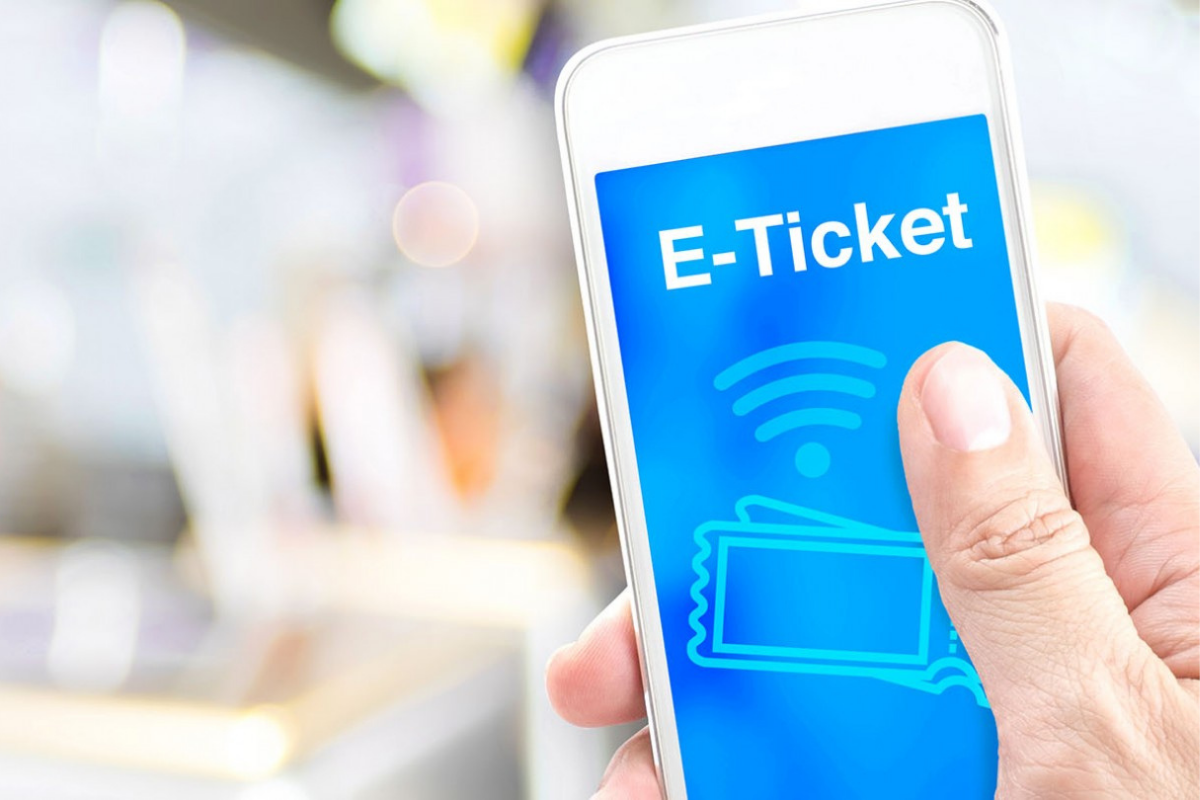
Exploring the Beautiful Dominican Republic
The Dominican Republic is a mesmerizing Caribbean destination that offers a diverse range of attractions and experiences. From its pristine beaches and turquoise waters to its rich history and vibrant culture, this tropical paradise has something for everyone. One of the best ways to explore this stunning country is through the use of technology. With the help of the Dominican Republic e-Ticket, travelers can easily access all the necessary information and documentation required for their trip. This convenient online platform allows visitors to purchase tickets, make reservations, and even access exclusive discounts and promotions. Whether you’re planning to relax on the beautiful beaches of Punta Cana or explore the historic sites of Santo Domingo, the Dominican Republic e-Ticket is a valuable tool for making your travel experience seamless and enjoyable.
In addition to its ease of use, the Dominican Republic e-Ticket also offers a wide range of benefits for travelers. This innovative system provides access to real-time information on flight and transportation schedules, ensuring that visitors can plan their itineraries accordingly. Whether you’re traveling to the Dominican Republic for business or pleasure, the e-ticket system allows you to stay informed and organized throughout your trip.
Furthermore, the Dominican Republic e-Ticket offers a level of convenience that is unparalleled. With just a few clicks, travelers can effortlessly book and purchase tickets for various modes of transportation. This eliminates the need to wait in long lines or worry about losing physical tickets, making your travel experience stress-free and enjoyable.
Ultimately, the introduction of the e-ticket system in the Dominican Republic is a testament to the country’s commitment to modernization and customer satisfaction. By embracing technology, the government has made it easier than ever for visitors to explore the beautiful beaches, rich culture, and warm hospitality that the nation is known for. So, whether you’re planning a relaxing getaway or an adventurous exploration, remember to take advantage of the convenience and benefits offered by the Dominican Republic e-Ticket.

Powerful Self Defense Techniques: Essential Tips For Personal SafetyPowerful Self Defense Techniques: Essential Tips For Personal Safety
Self-defense is a fundamental aspect of personal safety that everyone should have knowledge in. In an unpredictable world where crime rates may be on the rise, it is crucial to equip oneself with the necessary skills and mindset to protect against potential threats. Self-defense not only enhances physical fitness but also empowers individuals to feel more confident and secure in their daily lives.
Learning self-defense techniques provides individuals with the ability to quickly and effectively respond to dangerous situations. Whether it is in the form of martial arts, pepper spray, or other self-defense tools, being prepared and knowledgeable can make a significant difference in personal safety. Additionally, self-defense training teaches individuals to detect and analyze potential threats, allowing them to make better-informed choices to avoid or deescalate dangerous situations. In this article, we will explore different aspects of self-defense, from the importance of awareness and prevention to various techniques and strategies for personal protection.

Benefits of Krav Maga
Krav Maga is a self-defense system that focuses on practical techniques and real-life scenarios. One of the main benefits of Krav Maga is its effectiveness in real-world situations. The techniques taught in Krav Maga are designed to be simple and easy to learn, making it accessible to people of all fitness levels and ages. Whether you are a beginner or an experienced martial artist, Krav Maga can help you improve your self-defense skills and increase your confidence.
Another benefit of Krav Maga is its focus on physical fitness and mental strength. The training involves a combination of cardiovascular exercises, strength training, and flexibility exercises. This not only helps improve overall fitness but also increases endurance and stamina. Additionally, Krav Maga training requires mental focus and discipline, which can help improve concentration and mental resilience. If you are looking for a self-defense system that will not only teach you practical techniques but also improve your fitness and mental well-being, Krav Maga is a great choice. Learn more about the benefits of Krav Maga and how it can help you protect yourself.
In conclusion, self-defense is an essential skill that can greatly contribute to an individual’s personal safety. By learning self-defense techniques and being aware of potential threats, individuals can better protect themselves and make informed decisions in dangerous situations. Krav Maga, specifically, offers numerous benefits such as practical techniques, accessibility for all fitness levels, and an emphasis on physical fitness and mental strength. By practicing Krav Maga, individuals can enhance their self-defense skills, improve their overall fitness, and increase their confidence and mental resilience. In a world where personal safety is paramount, investing time and effort into learning self-defense is a valuable endeavor.