The Environmental Impact of Carpet Cleaning: Why Organic Solutions Matter

Carpet cleaning is an essential aspect of maintaining a healthy indoor environment, yet the methods and products employed can have significant environmental repercussions. Traditional carpet cleaning solutions often contain harsh chemicals that not only pose risks to human health but also contribute to air and water pollution. As awareness of environmental issues grows, the demand for sustainable alternatives in carpet care has surged. Organic cleaning solutions, which utilize biodegradable ingredients and eco-friendly practices, offer a compelling response to these concerns. These alternatives not only reduce the ecological footprint of carpet maintenance but also ensure safer indoor air quality, particularly for vulnerable populations such as children and pets. Understanding the environmental impact of carpet cleaning and the importance of adopting organic solutions is crucial for both consumers and industry professionals. This article will explore the detrimental effects of conventional cleaning agents, the benefits of organic products, and practical tips for making environmentally conscious choices. By highlighting the significance of sustainable carpet cleaning practices, we aim to encourage a shift towards greener solutions that prioritize both environmental integrity and the well-being of occupants in residential and commercial spaces.
How Traditional Cleaning Products Affect the Environment.
Traditional cleaning products often contain a range of synthetic chemicals that can have detrimental effects on the environment. These substances can enter the water supply through runoff or improper disposal, leading to pollution of local waterways and ecosystems. Chemicals such as phosphates, surfactants, and volatile organic compounds (VOCs) may not only harm aquatic life but also contribute to air quality issues, exacerbating respiratory problems in humans and wildlife. Additionally, many conventional cleaning products are packaged in single-use plastics, further contributing to the growing problem of plastic waste in landfills and oceans.
The manufacturing processes for these products also play a significant role in their environmental footprint. The extraction and production of raw materials often involve energy-intensive processes that result in greenhouse gas emissions, further accelerating climate change. By opting for greener alternatives, such as organic or biodegradable cleaning solutions, consumers can mitigate these impacts and promote a more sustainable approach to cleanliness. Choosing products with Eco-friendly carpet cleaning for homes with pets a sustainable alternative that ensures both a clean living space and a healthier planet.

Organic Solutions Reduce Environmental Footprint
solutions, individuals and businesses can significantly mitigate their environmental impact. Organic cleaning products are typically formulated from natural ingredients, which are biodegradable and less harmful to both human health and the environment. These products minimize the release of hazardous chemicals into the air and water, thereby protecting aquatic ecosystems and improving overall air quality. Moreover, many organic options are packaged in recyclable or compostable materials, addressing the urgent need to reduce plastic waste.
Transitioning to organic solutions also promotes sustainable agricultural practices, as they often utilize ingredients derived from renewable resources. This shift not only decreases reliance on petroleum-based chemicals but also supports local economies that prioritize organic farming. By choosing environmentally friendly cleaning alternatives, consumers can take meaningful steps toward reducing their carbon footprint, fostering a healthier planet for future generations while maintaining effective cleaning standards.
Health Benefits of Eco-Friendly Product.
Utilizing eco-friendly products contributes significantly to improved health for both consumers and their communities. These organic solutions are less likely to contain harmful chemicals that can trigger allergies, irritate the skin, or exacerbate respiratory issues. By opting for products free from volatile organic compounds (VOCs), individuals create a safer indoor environment, particularly beneficial for children, the elderly, and those with pre-existing health conditions. The reduction of toxic chemical exposure not only enhances overall well-being but also promotes a healthier lifestyle over the long term.
Additionally, as eco-friendly products often emphasize natural ingredients, they tend to be gentler on the body, reducing the risk of negative reactions commonly associated with synthetic alternatives. This shift can lead to greater peace of mind for consumers, knowing they are making choices that safeguard their health while also being mindful of the planet. Encouraging a culture that prioritizes the use of environmentally sustainable goods ultimately fosters a holistic approach to wellness, integrating personal health with environmental consciousness.
Sustainable Practices in Carpet Maintenance
Regular maintenance of carpets through sustainable practices not only enhances their lifespan but also minimizes environmental impact. Techniques such as dry cleaning and low-moisture cleaning significantly reduce water usage compared to traditional methods, conserving this vital resource. Moreover, employing equipment that uses energy-efficient technologies can further decrease the carbon footprint associated with carpet care. Regular vacuuming, utilizing high-efficiency particulate air (HEPA) filters, can help maintain cleanliness without the need for harsh chemicals, ensuring a safe and healthy living environment.
Incorporating sustainable practices into carpet maintenance also encourages the use of biodegradable and non-toxic cleaning agents. These alternatives not only clean effectively but also break down naturally, avoiding the pollution associated with synthetic products. Furthermore, the practice of using rugs made from recycled materials or sustainable fibers can contribute to a circular economy, reducing waste and promoting responsible consumption. By integrating these methods into carpet maintenance routines, individuals and businesses can play a crucial role in fostering environmental stewardship while maintaining beautiful and clean interiors.
Why Switching to Organic Methods Makes a Difference.
Choosing organic methods for carpet cleaning significantly enhances indoor air quality and overall health. Traditional carpet cleaning solutions often contain volatile organic compounds (VOCs) and other harmful chemicals that can linger long after cleaning, contributing to respiratory issues and other health problems. By opting for organic cleaning agents, which typically consist of plant-derived ingredients, homeowners can minimize exposure to these toxic substances, creating a safer environment for families and pets.
Additionally, organic cleaning methods support sustainable agricultural practices by reducing the demand for synthetic chemicals that can harm ecosystems. When organic products are used, the risk of chemical runoff into local waterways is diminished, promoting healthier soil and aquatic habitats. This shift not only benefits the immediate surroundings but also contributes to a broader movement towards ecological responsibility and stewardship. Embracing organic cleaning solutions therefore aligns with a commitment to both personal health and the preservation of the environment for future generations.
In conclusion, the environmental impact of carpet cleaning is a critical consideration that cannot be overlooked. Traditional cleaning methods often rely on harsh chemicals that can harm both our health and the ecosystem. By opting for organic solutions, consumers not only contribute to a more sustainable environment but also promote safer indoor air quality and minimize chemical exposure. As awareness of ecological issues continues to grow, it is imperative for both homeowners and businesses to prioritize environmentally friendly practices in their carpet maintenance routines. Embracing organic solutions is not just a trend; it is a responsible choice that supports the well-being of our planet and future generations.
Related Post
Insulation 101: Everything You Need To KnowInsulation 101: Everything You Need To Know
Insulation is a crucial component in maintaining a comfortable and energy-efficient environment within a building. It helps to regulate temperature, reduce energy costs, and minimize environmental impact by reducing the need for excessive heating or cooling. Insulation is typically installed in walls, roofs, floors, and ceilings to create a thermal barrier that prevents heat transfer between the interior and exterior of a building.
There are various types of insulation materials available, including fiberglass, cellulose, foam, and reflective barriers. Each material has its own unique properties and benefits in terms of insulating effectiveness, cost, and ease of installation. Understanding the different options for insulation can help property owners make informed decisions when it comes to improving the energy efficiency and comfort of their buildings.
The Importance of Proper Insulation
Insulation plays a crucial role in maintaining an efficient and comfortable indoor environment. Without adequate insulation, buildings can experience heat loss in the winter and heat gain in the summer, leading to increased energy costs and decreased comfort levels. Properly insulated walls, roofs, floors, and ceilings can help regulate temperature fluctuations and reduce the need for constant heating or cooling. By investing in quality insulation materials, property owners can improve energy efficiency and create a more sustainable living or working environment.
Different Types of Insulation Materials
There are several types of insulation materials available on the market, each with its own unique properties and benefits. Fiberglass insulation is a commonly used material known for its cost-effectiveness and thermal performance. Cellulose insulation is made from recycled paper products and offers excellent soundproofing properties. Foam insulation provides a high level of R-value, making it ideal for areas with limited space. Reflective barriers are designed to reflect heat away from the building, reducing heat gain during the summer months. insulation is essential for creating a well-insulated building that is energy-efficient and comfortable year-round.
In conclusion, insulation is essential for creating a well-insulated building that is energy-efficient and comfortable year-round. Without proper insulation, buildings can experience temperature fluctuations, increased energy costs, and decreased comfort levels. By investing in quality insulation materials such as fiberglass, cellulose, foam, or reflective barriers, property owners can improve energy efficiency, reduce environmental impact, and create a more sustainable living or working environment. Understanding the importance of insulation and the different types of materials available can help individuals make informed decisions when it comes to improving the energy efficiency and comfort of their buildings.

How To Excavate: Step-By-Step GuideHow To Excavate: Step-By-Step Guide
Excavating is a crucial process in archeology, construction, and landscaping that involves the removal of earth and other materials from a site to uncover artifacts, structures, or prepare the ground for building or planting. This methodical and precise work requires specialized equipment and skilled labor to carefully dig and sift through layers of soil to uncover historical artifacts or create a solid foundation for a new structure.
Excavating allows us to delve into the past, uncovering valuable information about ancient civilizations, cultures, and geological formations. Whether it’s unearthing ancient ruins, preparing a site for a new building, or creating drainage for landscaping projects, excavating plays a vital role in various industries and disciplines. With advances in technology and techniques, excavating continues to be an essential aspect of discovery, construction, and land development.
Uncovering History Through Excavating
Excavating allows us to delve into the past, uncovering valuable information about ancient civilizations, cultures, and geological formations. Whether it’s unearthing ancient ruins, preparing a site for a new building, or creating drainage for landscaping projects, excavating plays a vital role in various industries and disciplines. With advances in technology and techniques, excavating continues to be an essential aspect of discovery, construction, and land development. The process of excavating requires a careful balance between precision and patience as each layer of soil holds the potential for groundbreaking discoveries that can reshape our understanding of the past.
The Importance of Skilled Labor in Excavating
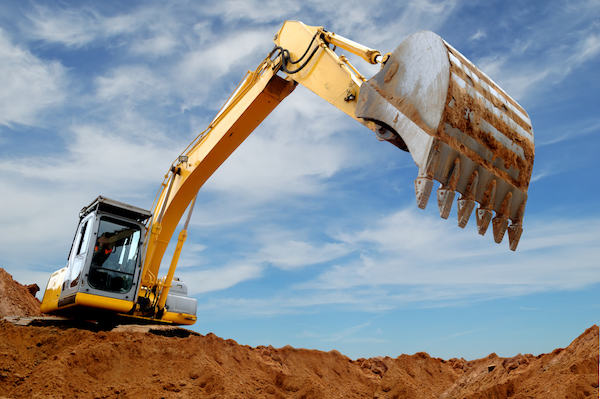
Excavating is a crucial process that hinges on skilled labor and specialized equipment to carefully dig and sift through layers of soil. This meticulous work not only uncovers historical artifacts but also creates solid foundations for new structures or prepares the ground for landscaping projects. With each shovel or bucket of earth removed, excavators reveal hidden treasures buried beneath the surface. The combination of knowledge, experience, and expertise within the field of excavating is what drives successful excavations and ensures that each project is carried out with precision and care.
Excavating requires a delicate balance between preserving the integrity of the site and efficiently uncovering the materials hidden beneath the earth. Skilled labor within the field of excavating is essential to ensure that artifacts are unearthed and structures are built with precision and care. The ability to interpret the significance of each discovery, whether it be a shard of pottery or the layout of an ancient city, is what drives the passion and dedication of those involved in excavation projects. By continuing to refine techniques and utilize advanced technology, the process of excavating will continue to play a crucial role in uncovering history, constructing new developments, and shaping our understanding of the world around us.
The Best Leather Couch Cleaning Tips For Spotless FurnitureThe Best Leather Couch Cleaning Tips For Spotless Furniture
Leather couches are a luxurious and stylish addition to any home, but they also require proper care and maintenance to keep them looking their best. Regular cleaning is essential to ensure that your leather couch remains in top condition for years to come. With the right tools and techniques, you can easily clean and maintain your leather couch to keep it looking as good as new.
In this article, we will discuss the importance of regular cleaning for leather couches, as well as provide you with some tips and tricks for effectively cleaning and maintaining your leather furniture. Whether you have a classic black leather couch or a trendy white leather sectional, we’ve got you covered with all the information you need to keep your leather furniture looking its best. So grab your cleaning supplies and let’s get started!
Cleaning and Maintenance Tips for Leather Couches
Regular cleaning is vital to the longevity and appearance of your leather couch. Dust, dirt, and spills can easily accumulate on the surface, leading to discoloration and wear over time. To keep your leather couch looking pristine, it is recommended to vacuum it regularly with a soft brush attachment to remove any loose dirt or debris. For stains and spills, it is best to address them immediately by gently blotting the affected area with a clean, damp cloth. Avoid using harsh chemicals or abrasive cleaners, as they can damage the leather finish. Instead, opt for a mild soap or specially formulated leather cleaner to gently clean and condition your couch.
Soft Touch QLD leather couch cleaning
For a professional deep cleaning and conditioning of your leather couch, consider hiring Soft Touch QLD leather couch cleaning. Their expert technicians have the knowledge and experience to effectively clean and restore your leather furniture to its original beauty. With their specialized techniques and high-quality products, you can trust Soft Touch QLD to provide top-notch care for your prized leather couch. Say goodbye to dullness, stains, and wear and hello to a rejuvenated and luxurious leather couch that looks as good as new!
Whether you choose to clean your leather couch yourself or hire a professional service like Soft Touch QLD, the key is consistency. By incorporating regular cleaning and maintenance into your routine, you can ensure that your leather furniture remains in top condition for years to come. With the right care, your leather couch can continue to be a luxurious and stylish centerpiece in your home, bringing comfort and sophistication to your living space. So don’t wait any longer – start taking care of your leather couch today to keep it looking its best for the long haul.