5 Essential Roofing Tips For Homeowners | Expert Advice
Roofing is an essential component of any building structure, providing protection from external elements such as weather, debris, and animals. A well-constructed roof not only enhances the functionality of a building but also adds to its aesthetic appeal. Whether you are constructing a new home or renovating an existing one, the choice of roofing material and design can significantly impact the overall appearance and longevity of your property.
From traditional shingles to modern metal roofing systems, there is a wide range of options available for homeowners to choose from. Each type of roofing material has its own unique benefits and drawbacks, depending on factors such as climate, budget, and architectural style. In this article, we will explore the different types of roofing materials, their installation processes, maintenance requirements, and factors to consider when selecting the right roof for your home.
The Benefits of Metal Roofing
Metal roofing has gained popularity in recent years due to its durability, energy efficiency, and stylish appearance. Unlike traditional asphalt shingles, metal roofs can last up to 50 years or more, making them a long-term investment for homeowners. In addition, metal roofs are fire-resistant, lightweight, and recyclable, making them an environmentally friendly choice. When considering edgewater roofing, metal roofs are an excellent option for homes in areas prone to severe weather conditions such as hurricanes or wildfires.
Considerations for Choosing the Right Roofing Material
When selecting the right roofing material for your home, there are several factors to consider. These include the climate of your region, the architectural style of your property, your budget, and the level of maintenance you are willing to undertake. It is essential to research different roofing options and consult with a professional edgewater roofing contractor to determine the best option for your specific needs. Whether you choose metal, asphalt, tile, or any other type of roofing material, ensuring proper installation and maintenance will prolong the life of your roof and protect your home for years to come.
G&W Roofing
129 W Marion Ave, Edgewater, FL 32132
(386) 427-2798
In conclusion, roofing plays a crucial role in the protection and aesthetics of any building. Whether you opt for traditional shingles or modern metal roofing, it is important to consider factors such as durability, energy efficiency, and maintenance requirements when choosing the right material for your home. Consulting with a professional roofing contractor can help you make an informed decision that will enhance the longevity and curb appeal of your property. Investing in a quality roof not only adds value to your home but also provides peace of mind knowing that you are well-protected from external elements for years to come.
Related Post
The Ultimate Guide To Attic Insulation: Benefits, Types, And Installation TipsThe Ultimate Guide To Attic Insulation: Benefits, Types, And Installation Tips
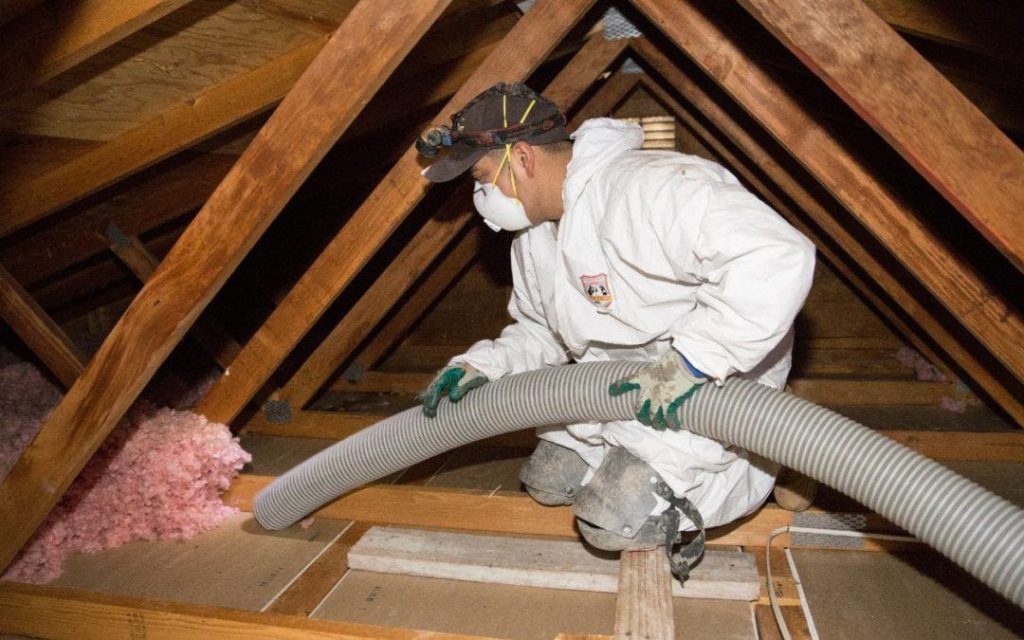
As the temperatures drop outside and our heating bills rise, it becomes increasingly important to ensure that our homes are properly insulated. One area that is often overlooked but can have a significant impact on energy efficiency is attic insulation. By properly insulating your attic, you can not only keep your home more comfortable year-round, but also save money on your heating and cooling costs.
Attic insulation helps to create a barrier between the inside of your home and the outside elements, preventing heat from escaping in the winter and entering in the summer. Without adequate insulation, your heating and cooling systems have to work harder to maintain a comfortable temperature, leading to higher energy bills and unnecessary wear and tear on your HVAC system. In this article, we will explore the importance of attic insulation, different types of insulation materials, and how to determine if your attic insulation needs an upgrade.
The Importance of Attic Insulation
Proper attic insulation is crucial for maintaining a comfortable and energy-efficient home. With Attic Insulation Greenville, you can ensure that your attic is effectively sealed off from the outdoor elements, preventing heat loss in the winter and heat gain in the summer. This barrier helps reduce the workload on your heating and cooling systems, ultimately saving you money on your energy bills. Additionally, proper attic insulation can help prolong the life of your HVAC system by reducing its overall strain, making it a cost-effective investment in the long run.
In conclusion, attic insulation is a key component of maintaining a comfortable and energy-efficient home. By properly insulating your attic, you can create a barrier against the outside elements, reducing heat loss in the winter and heat gain in the summer. This not only saves you money on your energy bills but also helps extend the life of your HVAC system by reducing its workload. With the right insulation materials and techniques, you can ensure that your home stays cozy and cost-effective year-round. Make sure to assess your attic insulation regularly to determine if an upgrade is needed to maximize your home’s efficiency and comfort.

Trade Management Tips: A Comprehensive GuideTrade Management Tips: A Comprehensive Guide
Trade management is a crucial aspect of running a successful business, as it involves the strategic planning and execution of transactions in order to maximize profits and minimize risks. With the ever-changing landscape of global markets and increasing competition, effective trade management is essential for companies to stay ahead.
From establishing strong partnerships with suppliers and distributors to analyzing market trends and negotiating favorable terms, trade management encompasses a wide range of activities that are vital for the growth and sustainability of a business. In this article, we will explore the key principles of trade management and provide insights on how companies can effectively manage their trade operations to achieve long-term success.

The Importance of Effective Trade Management
Effective trade management plays a vital role in the success of any business, ensuring that transactions are carried out smoothly and efficiently to achieve optimal results. By establishing strong partnerships with suppliers and distributors, companies can streamline their supply chain and reduce costs, ultimately improving their bottom line. Additionally, analyzing market trends and negotiating favorable terms can help businesses stay competitive and adapt to changing market conditions. With the help of advanced trade management tools and technologies, companies can enhance their decision-making processes and optimize their trading strategies to drive growth and profitability.
Insights on Trade Management for Long-Term Success
To achieve long-term success in trade management, companies must focus on building resilient relationships with key stakeholders while maintaining a keen eye on market dynamics and emerging trends. By leveraging data-driven insights and analytics, businesses can make informed decisions that align with their strategic objectives and financial goals. Implementing a robust trade management system, such as Liquiditybook, can also help companies enhance their operational efficiency, minimize risks, and capitalize on new opportunities in the global marketplace. By adopting a proactive approach to trade management, organizations can position themselves for sustainable growth and competitiveness in today’s challenging business environment.
In conclusion, effective trade management is essential for businesses to navigate the complexities of global markets and stay ahead of the competition. By establishing strong partnerships, analyzing market trends, and utilizing advanced tools and technologies, companies can optimize their trading strategies and drive long-term success. It is crucial for organizations to focus on building resilient relationships, leveraging data-driven insights, and implementing robust systems to enhance operational efficiency and capitalize on opportunities in the marketplace. With a proactive approach to trade management, businesses can position themselves for sustainable growth and competitiveness in today’s challenging business environment.
Exploring Essential Roof Replacement Tips: Expert GuideExploring Essential Roof Replacement Tips: Expert Guide
In order to maintain the structural integrity and aesthetic appeal of our homes, it is crucial to prioritize the condition of our roofs. Over time, roofs are constantly exposed to various weather conditions and natural wear and tear that can lead to damages such as leaks, cracks, and missing shingles. When these issues go unnoticed or unaddressed for too long, it may be necessary to undergo a roof replacement. While this can seem like a daunting and expensive task, understanding the signs that indicate the need for a roof replacement, the different types of roofing materials available, and the benefits of investing in a new roof can help homeowners make an informed decision.
A roof replacement involves completely removing the existing roof and installing a new one. It is typically recommended when repairs are no longer sufficient or cost-effective. Some common indicators that a roof replacement may be necessary include widespread leaks, excessive curling or buckling of shingles, frequent repairs, aging (usually after 20-25 years), moss or algae growth, or visible sagging. By addressing these signs in a timely manner, homeowners can prevent further damage to their homes and ultimately save money in the long run.
The Different Types of Roofing Materials
There are several different types of roofing materials available for homeowners to choose from when it comes to a roof replacement. Each type has its own unique set of advantages and disadvantages, so it is important to consider factors such as cost, durability, aesthetics, and maintenance requirements. Some popular options include:
1. Asphalt Shingles: Asphalt shingles are one of the most commonly used roofing materials due to their affordability and versatility. They come in a wide range of colors and styles, making them suitable for various architectural designs. Asphalt shingles are also relatively easy to install and require minimal maintenance.
2. Metal Roofing: Metal roofs have become increasingly popular in recent years due to their durability and long lifespan. They can withstand harsh weather conditions, are fire-resistant, and are energy-efficient. While metal roofing tends to be more expensive upfront, it can save homeowners money in the long run due to its longevity and energy-saving capabilities.
3. Slate Tiles: Slate tiles are known for their elegance and natural beauty. They are extremely durable and can last for decades with proper maintenance. However, slate tiles are heavy and may require additional structural support during installation.
4. Wood Shakes: Wood shakes have a rustic and timeless appeal that many homeowners find attractive. They are made from cedar or other types of wood and provide good insulation. However, wood shakes require regular maintenance to prevent rotting or mold growth.
When choosing a roofing material, it is important to consult with a reputable roofing contractor such as Home Right Solutions, LLC to assess the specific needs of your home and consider factors such as climate, budget, and personal preferences.
The Benefits of Investing in a New Roof
Investing in a new roof offers several benefits for homeowners. Firstly, a new roof can enhance the curb appeal of the home, increasing its value and making it more attractive to potential buyers if the homeowner decides to sell in the future. Additionally, a new roof provides improved energy efficiency, particularly if high-quality materials and insulation are used. This can result in lower heating and cooling costs, saving homeowners money on their energy bills.
A new roof also provides better protection against leaks and other forms of water damage. By replacing an aging or damaged roof, homeowners can prevent costly repairs or potential structural damage caused by water infiltration. Moreover, a new roof can provide peace of mind, knowing that the home is well-protected and the risk of future roof-related issues is minimized.
When considering a roof replacement, it is essential to hire a professional roofing contractor such as Home Right Solutions, LLC who has the necessary expertise and experience to ensure a proper installation. They can guide homeowners on selecting the right materials for their specific needs and ensure that the new roof is installed correctly, providing long-lasting protection and peace of mind.
Home Right Solutions, LLC
1426 Shingle Way, McDonough, GA, 30252
678-661-6778
In conclusion, a roof replacement is an important investment that can protect the structural integrity and enhance the aesthetic appeal of a home. By understanding the signs that indicate the need for a roof replacement, homeowners can address issues in a timely manner and save money in the long run. There are various types of roofing materials available, each with its own advantages and disadvantages. Consultation with a reputable roofing contractor is crucial to ensure the selection of the right material based on climate, budget, and personal preferences. Investing in a new roof offers several benefits such as improved curb appeal, energy efficiency, and better protection against leaks and water damage. Hiring a professional roofing contractor is essential for a proper installation, ensuring long-lasting protection and peace of mind for homeowners.